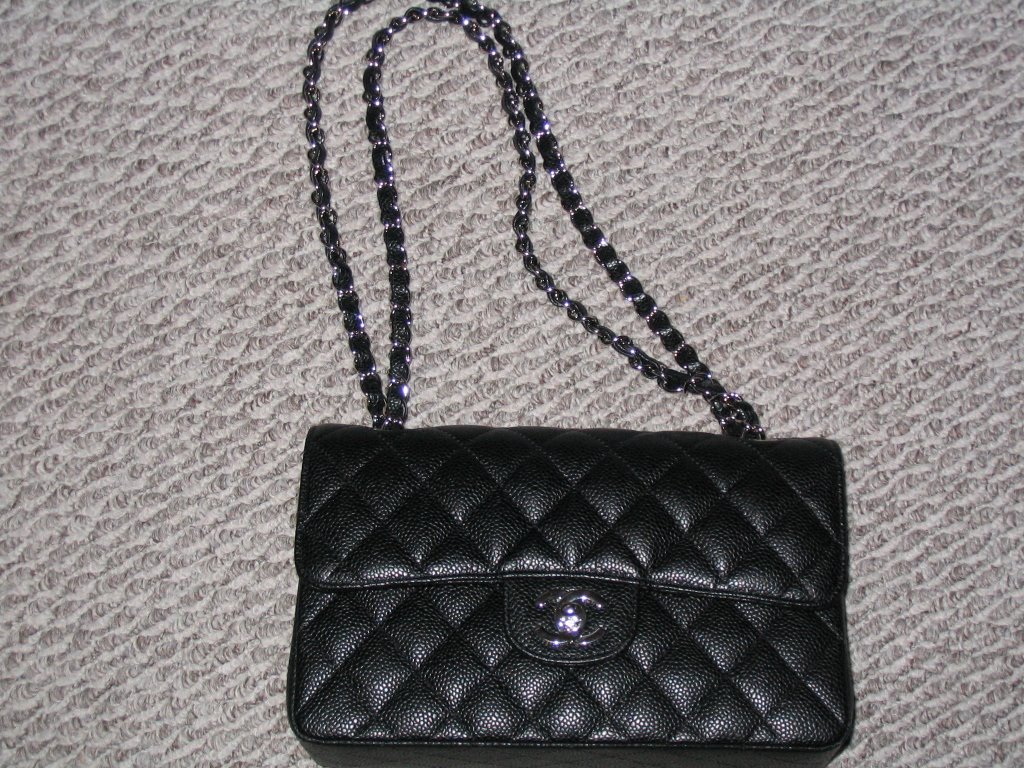
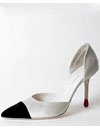
When one isn't blessed with a large trust fund, overpaid job or lottery winnings it can be difficult to satisfy shoe and handbag urges. I have found that one thing that will keep me going until I have saved enough money for what I really want (at the moment it is the black and white Ferragamo wedges). Books will help to fill the void. The irony is, if I could get my book habit under control, my shoe closet would be much fuller.
After last night's purchase of
Blahnik by Boman (believe the hype, it truly is "Shoe Porn"), I decided to take stock of other fashion related books in my library.
Another recent purchase is
Chanel by Howard Koda. It is the companion book to the recent exhibit of Chanel design at the The Costume Institute at The Metropolitan Museum of Art. I can sit and just flip through the book. I really enjoy the juxtaposition between Coco Chanel's designs and Karl Lagerfield's. Often though the Lagerfield is newer, Coco's designs seem more modern.
I also recommend
Fashion in Costume by Joan Nunn which provides a sweeping look at design and construction.
Shoes, Fashion and Fantasy by Colin McDowell is a footwear specific history of design and style.
A Guide to Elegance by Genevieve Antoine Dariaux is an "A to Z" of what constitutes Elegance in every aspect of your life, especially your wardrobe. Where else would you learn that aligator and exotic skins are for casual and sporting wear and never to be seen after 5 pm?
Carried Away, All About Bags edited by Farid Chenoune is the companion book for a museum exhibit of modern and historical handbags. Unfortunately the exhibit, "Le cas du sac" at the Musée de la Mode et du Textile Union centrale des arts décoratifs, closed just three short months before my visit last spring.
Obviously I am not reading these books all at once but when I get a craving that can't be satisfied, they are there for me and keep me going until the credit card balance allows for my next purchase.